
Lifestyle, Language and Culture Blog
Moving to Finland is a comprehensive lifestyle and culture guide designed for individuals interested in studying, working, or relocating to Finland. It offers valuable insights into the Finnish way of life, including social norms, educational opportunities, career prospects, daily lifestyle,and practical tips for shopping, commuting, getting around and settling in useful for expats and those who are interested to know more about Finland.
Ranked the world’s happiest country for nine years, Finland offers a high quality of life, safety, and balance. Finland also offers high quality education for everyone and a systematic support system for all its residents-temporary or permanent. Its calm forests, peaceful landscapes, and clean air create a deep sense of tranquility. Finland is also the home of wild berries, where blueberries, lingonberries, cloudberries, and other treasures grow freely in its pristine nature.
Is Finland For You?
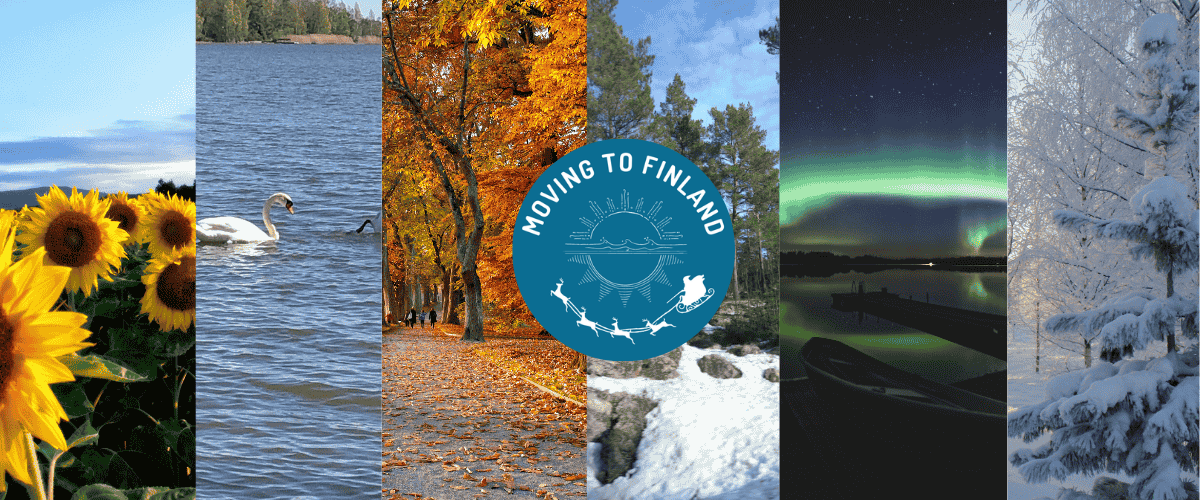
Finland, known as the Land of a Thousand Lakes, is a country of breathtaking natural beauty with over 180,000 lakes and dramatic seasonal changes—from snowy winters and midnight sun summers to colorful autumns and fresh spring blooms.

The Finnish Countryside
Finland is located in Northern Europe, in the region known as the Nordic countries. It lies between Sweden to the west, Norway to the north, and Russia to the east, while its southern and western coasts border the Baltic Sea, the Gulf of Finland, and the Gulf of Bothnia. Finland is one of the northernmost countries in the world, with part of its territory extending above the Arctic Circle in the region of Lapland. Its geographical position gives the country distinct four seasons, long summer daylight, and cold snowy winters.
Visa and Residence Permit
The first and most important step in moving to Finland is understanding your legal pathway. Many people use the word “visa,” but for long-term living in Finland, the key document is usually a residence permit. This determines your right to live, work, or study in the country. The main categories include work-based residence permits, student residence permits, family-based permits, and entrepreneur permits. Each category has specific requirements, and choosing the correct one from the beginning is very important because mistakes can lead to delays or reapplications. Regardless of the type of visa, the requirements are quite similar and it is important to know them in advance as some of them you need to prepare months before, depending on your circumstances.
From experience, the most important thing is to prepare documents properly and follow instructions carefully. Finland values accuracy and completeness in applications. It is also important to keep both digital and printed copies of your documents, as you will need them at different stages of your settlement process. Once your permit is approved, it becomes the foundation of your life in Finland, so this step should be handled carefully and correctly.
Jobs in Finland
Finding a job in Finland is not only about sending applications—it is about understanding how the job market works. Finland values reliability, punctuality, independence, and clear communication. These qualities are often as important as technical skills. Many job opportunities exist in sectors such as healthcare, IT, cleaning services, logistics, hospitality, construction, and education. However, competition can be strong, especially for English-speaking roles.
One important insight is that networking plays a bigger role than many newcomers expect. While job websites are useful, many opportunities come through personal connections, LinkedIn activity, and community involvement. Improving your visibility and credibility in your field can significantly increase your chances. Even basic Finnish language skills can also give you an advantage over other applicants, even in international workplaces. Jobs in Finland are not impossible to get, but they require a combination of preparation, patience, and strategy.
Cost of Living
Finland can feel expensive at first, especially when it comes to rent and daily expenses. However, understanding how costs are structured makes life much easier. The main monthly expenses include housing, food, transportation, mobile services, internet, insurance, and personal needs. Rent is usually the largest cost, particularly in cities like Helsinki, while smaller cities can be more affordable.
Despite the cost level, Finland also offers value in other ways. Public services are reliable, transportation is efficient, and many natural activities such as forests, lakes, and walking areas are free. Libraries also provide a wide range of free resources, and second-hand culture is very common, which helps reduce expenses. The key approach is not to focus on luxury in the beginning, but to focus on stability, budgeting, and building financial balance during your first year.
Housing
Finding the right place to live in Finland is an important part of settling in. Housing options include shared apartments, studio flats, family apartments, and student housing. Each option depends on your budget, lifestyle, and stage of life. Location is also very important, as transport access, distance to work or school, nearby services, and neighborhood environment all affect your daily comfort.
One important lesson is that housing is not only about price. A quiet, well-connected home can significantly improve your mental well-being and adjustment to Finnish life. At the same time, it is important to be careful with rental agreements and avoid sending money without proper documentation. The rental system in Finland is generally safe, but caution is still necessary, especially for newcomers.
Learning Finnish
Learning Finnish is one of the most powerful steps you can take when moving to Finland. More and more foreign people are moving into Finland so the culture and language become diverse. A growing number of Filipinos for instance are observable nowadays coming for work from the Philippines. Even if many people speak English, Finnish language skills open more opportunities in work, social life, and daily interactions. It also helps you feel more included in society. Learning Finnish for most beginners may feel overwhelming but with some guidance and practice, anyone can learn fast.
The best way to learn Finnish is not to aim for perfection immediately, but to start with practical usage. Simple greetings, daily expressions, and basic vocabulary can already make a difference. There are many practice tests online in English to Finnish. Consistency is more important than speed. Listening to Finnish daily, practicing small conversations, and repeating common phrases will gradually build confidence. Many newcomers underestimate the importance of language, but those who start early usually integrate much faster.
Learning Finnish is faster through social interactions. If you can find a local to talk with and practice your Finnish, the better. My advice is to learn from the locals if you get a chance so that you will learn not just the language but also the culture of the language. If you are totally beginner and would like to learn some basic Finnish or you do not have the luxury of time to go to school to study and prefer to study online, you can also find many Finnish language courses. This can also be good if you want to be taught alone.
Finnish Culture
Finnish culture is often misunderstood by newcomers. At first, Finns may appear quiet or reserved, but this is not rudeness—it is simply a cultural preference for privacy, honesty, and personal space. Coming from my own direct experience, it feels awkward having silent moments in the table together for 10 minutes but I have learned that it is normal and I should not feel bad about it. Observe and feel if the person you are with wants to talk or not. Many locals find peace alone but others are also very social. In Finland, people value sincerity, punctuality, and reliability. If someone says they will do something, they usually mean it. Time is gold, so never be late. The bus for instance will not stop and wait for you when you are 1 minute late and it has started to go.
Another important part of Finnish culture is the respect for nature and calm living. Silence is not uncomfortable here; it is often appreciated. Sauna culture is also deeply rooted in Finnish life and is seen as a way to relax and reflect. Understanding these cultural habits helps you adjust faster and avoid misinterpretations in social situations.
Education Opportunities
Finland offers a strong education system that includes universities, universities of applied sciences, vocational schools, and adult learning programs. Education is highly valued, and many opportunities exist for both local and international students. Tuition fees may apply depending on your status, but scholarships are also available in many institutions. Some studies are also free if your aim is to widen your knowledge. There are open courses available for all, you only need to search online. Remember that free courses do not give you the diploma or certificate unless you complete the whole program which lasts at least 2 years, for instance a vocational study to become a practical nurse.
One important observation is that continuous learning improves integration. People who invest in education often find better job opportunities and build stronger professional networks. Even short courses or language programs can help you adjust faster and increase your long-term stability in Finland. Depending on your visa, you can get free education or pay for it. For those who have the right to study, you can also get a study support from KELA, but it is best to contact with your officer and discuss the matter.
Settling Down and Living Like a Local
Settling in Finland is not just about arriving—it is about building structure in your daily life. The first step is to understand essential systems such as banking, taxation, healthcare, and public transportation. Once these basics are in place, life becomes more stable and predictable.
Another key factor is routine. Having a structured daily life helps reduce stress and creates consistency. Building relationships is also important, even if it starts small. A few meaningful connections can significantly improve your experience in a new country. Learning Finnish early, participating in local activities, and staying consistent in your efforts all contribute to faster integration. Over time, Finland begins to feel less like a foreign place and more like a familiar home.
Daily Lifestyle
Daily life in Finland is a balance of work, family, personal time, and nature. Families enjoy structured but relaxed routines, while single people often focus on independence, hobbies, and social balance. After work, people normally spend time outdoor especially when they have kids or pets. In summer, a lot of people are seen outside grilling sausages and swimming. It is very common for people in Finland, not just locals but also those who are already integrated, to enjoy sauna and backyard chores. People are independent, very few have helpers at home, unlike in other countries particularly in Asia to find someone to help with the busy lifestyle. In Finland, people do things on their own, of course you can find a service provider such as home repairs, carpenters, plumbers, electricians or gardener easily but for a high service fee. Therefore, many opt to learn and do it by themselves.
Shopping Guide
Shopping in Finland is simple, well-organized, and designed to support a high-quality and sustainable lifestyle, which makes it very beginner-friendly for expats and newcomers. Most people buy groceries in supermarkets such as K-Citymarket, Prisma, Lidl, and S-Market, where you can find everything from fresh food and household essentials to international products.
Shopping is usually done once or twice a week with planned meals to save time and reduce waste. Instead of daily shopping, people rely on larger but less frequent trips, often using reusable bags and choosing seasonal or local products like berries, fish, and vegetables.
For clothing and household items, shopping malls and stores in cities provide practical and durable products, while second-hand shops and online platforms are also very popular due to Finland’s strong culture of sustainability and affordability. For newcomers or students, you can save money by buying your initial stuffs from the second hand shops, many of which are located in the city centers wherever you may be located. Many people also use online shopping for convenience, especially during winter, with fast delivery and easy pickup lockers widely available.
It is also good to know that shopping in Finland is structured, and newcomers quickly adapt by planning ahead, getting to know nearby supermarkets and how to do shopping. In Finland, there is an ongoing popularity of self-service and cashless shopping. You may need to have a bank account if you plan to stay longer in Finland. You can open this from a bank of your choice. When you get the card, you can easily shop using your card or a mobile pay app.